
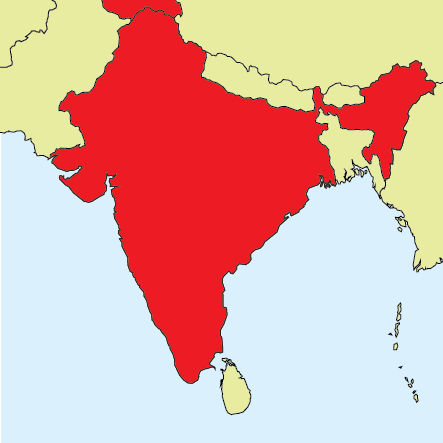
The proposed project will collect unique longitudinal data in 4 different countries: India, Malawi, Sri Lanka and the Philippines. Some of the partners involved in the project are based in the USA and in the Netherlands.
India
Chronic diseases, healthcare use and disability in Malawi
Our proposed data collection, empirical analyses and policy intervention build on and complement an established longitudinal data collection effort: The Malawi Longitudinal Study of Families and Health (MLSFH). The MLSFH is one of very few long-standing, publicly available longitudinal cohort studies in a sub-Saharan African (SSA) context. It provides a rare record of more than a decade of demographic, socioeconomic and health conditions. Since 1998 it has regularly collected information on socioeconomic and demographic characteristics, health, sexual behaviors, risk perceptions and subjective expectations, social networks and social capital, intergenerational relations and family/household dynamics in seven survey rounds of up to 4,000 individuals.
The proposed data collection activities as part of this project build on the 2013 round of the MLSFH, which comprised a sample of 1,500 mature adults aged 45 and older. This baseline survey collected comprehensive information on health and wellbeing (including physical health, HIV/AIDS, cognitive function, mental health and anxiety, and biomarkers and functional performance tests), health behaviors, healthcare use, subjective expectations, and measures of work productivity as well as disability.
To study the impact of chronic disease for the evolution of health, healthcare use, work productivity, poverty and human capital investments, the requested funding will support the collection of six additional rounds of data following the 2013 baseline sample of 1,500 mature adults over time. Given the focus of the overall research project, the proposed data collection effort will couple the continuation of key longitudinal items with new survey modules specifically targeted toward the study of chronic disease and its consequences in terms of healthcare use and expenditures, treatment and—importantly—socioeconomic outcomes such as work disability, earnings, poverty and human capital investments. Specifically, the envisaged data collection will contain new or more detailed information on healthcare use and expenditures, medication use (medication inventory), health literacy and health expectations, visual assessments, blood pressure measurements, mental health and anxiety, chronic pain, time-use based measures of productivity and wellbeing
Research Team

Hans-Peter Kohler
Hans-Peter Kohler, Ph.D., is a social and economic demographer whose current research focuses on health, demography and social change in developing and developed countries. A key characteristic of his research is the attempt to integrate demographic, economic, sociological and biological approaches in empirical and theoretical models of health and demographic behaviors. In his prior work, he investigated the role of social and sexual networks for HIV risk perceptions and HIV infection risks, the causal effects of education on health, the consequences of learning one’s HIV status on risky behaviors, the interrelations between marriage and sexual relations in developing countries, the role of social interaction processes for fertility and AIDS-related behaviors, and the determinants and consequences of low fertility in developed countries.
>>
His research combines extensive knowledge about the determinants of health, fertility/mortality, HIV/AIDS, and related economic behaviors in developing and developed countries with considerable experience in sophisticated econometric and demographic analyses, including analyses with controls for endowment and unobserved determinants of individuals’ behaviors, models of population and disease dynamics, randomized designs and integration of social science and biomedical research methods.
He has extensive experience in the design and implementation of large-scale data collection in sub-Saharan contexts. He has been awarded the Clifford C. Clogg Award for Early Career Achievement by the Population Association of America for my interdisciplinary work on fertility and health, and have been honored with Otis Dudley Duncan Award for Outstanding Scholarship in Social Demography by the American Sociological Association. He has been a Fellow at the Center for Advanced Studies at the Norwegian Academy of Science, served as the president of the Society of Biodemography and Social Biology, and was engaged as lead-paper author in the Copenhagen Consensus Project to evaluate policies to prevent the sexual transmission of HIV (2011, with Behrman) and reduce population growth (2012). Kohler served as the Chair of Penn’s Ph.D. Program in Demography for many years, and continues to be the NICHD T32 Training Director for this program (successfully renewed in 2012). He has also been the PI of the NIH grant “Consequences of High Morbidity and Mortality in a Low-Income Country” (R01HD053781) that supported the Malawi Longitudinal Study of Families and Health (MLSFH).

Iliana Kohler
Iliana Kohler, Ph.D., is a population scientist and social demographer, with a background in both social and biomedical sciences. Her research focuses on global health issues and their social, economic and policy implications in different international contexts. Her primary research agenda is centered on health, health-related behaviors, mortality, aging and intergenerational transfers in an international context. Her most recent research focuses on aging in African poor high HIV-prevalence contexts, with a specific focus on the social and biological determinants and patterns of mental health and cognitive abilities. In her work, demography provides the overarching framework to understand the life-course determinants of aging, related intergenerational relations and transfers, the interactions between population dynamics and disease dynamics that are central to understanding current European and global demographic and health patterns.

Fabrice Kämpfen
Swiss Team member
Fabrice Kämpfen is a broadly trained health economist with research interests focused on innovative topics in health economics, population health and aging. An important innovation of his research has been the expansion of aging research beyond well-studied high-income countries, with a novel focus on low-and middle-income contexts. Fabrice is currently a lecturer at the School of Economics in University College Dublin in Ireland.
Publications
Peer reviewed
2025
Ciancio, A., Kämpfen, F., Kohler, H.-P. & Thornton, R. (2025). Surviving Bad News: Health Information without Treatment Options. American Economic Review: Insights, Forthcoming. https://www.aeaweb.org/articles?id=10.1257/aeri.20240058&from=f
2024
Banda, S., Kohler, I. V., Kohler, H. P., & Chichlowska, S. C. (2024). Health-related quality of life and its predictors among hypertensive adults 45 years and older in rural Malawi: a population-based study. Malawi Medical Journal, 36(2), 97-106. https://doi.org/10.4314/mmj.v36i2.6
Purcell, H., Kohler, I. V., Ciancio, A., Mwera, J., Delavande, A., Mwapasa, V., & Kohler, H. (2024). Mortality risk information and health-seeking behavior during an epidemic. Proceedings of the National Academy of Sciences, 121(28). https://doi.org/10.1073/pnas.2315677121
Ciancio, A., Delavande, A., Kohler, H.-P, & Kohler, I. V. (2024). Mortality Risk Information, Survival Expectations and Sexual Behaviours. The Economic Journal, 134(660), 1431–1464. https://doi.org/10.1093/ej/uead116
Myroniuk,T. W., Kohler, H.-P, Mwapasa, V., Mwera, J., & Kohler, I. V. (2024). Surprising Gendered Age Differences in Rural Malawians’ Early COVID-19 Pandemic Prevention Efforts. The Journals of Gerontology: Series B, 79(5), gbae031. https://doi.org/10.1093/geronb/gbae031
2023
Ciancio, A., Behrman, J., Kämpfen, F., Kohler, I. V., Maurer, J., Mwapasa, V., & Kohler, H.-P. (2023). Barker’s Hypothesis Among the Global Poor: Positive Long-Term Cardiovascular Effects of in Utero Famine Exposure. Demography, 60(6), 1747–1766. https://doi.org/10.1215/00703370-11052790
Hoang, C. T., Kohler, I. V., Amin, V., Behrman, J. R., & Kohler, H.-P. (2023). Resilience, Accelerated Aging, and Persistently Poor Health: Diverse Trajectories of Health in Malawi. Population Development and Review, 49(4), 771–800. https://doi.org/10.1111/padr.12590
Scheve, A., Bandawe, C., Kohler, H.-P., & Kohler, I. V. (2023). Mental health and life-course shocks in a low-income country: Evidence from Malawi. SSM – Population Health, 19, 101098. https://doi.org/10.1016/j.ssmph.2022.101098
Kohler, I. V., Bandawe, C., Kämpfen, F., & Kohler, H.-P. (2023). Cognition and Cognitive Changes in a Low-Income Sub-Saharan African Aging Population. Journal of Alzheimer’s Disease, 95(1), 195-212. https://doi.org/10.3233/JAD-230271
2022
Kämpfen, F., Zahra, F., Kohler, H. -P., & Kidman, R. (2022). The effects of negative economic shocks at birth on adolescents’ cognitive outcomes and educational attainment in Malawi. SSM – Population Health, 18, 101085. https://doi.org/10.1016/j.ssmph.2022.101085
Kohler, I. V., Kämpfen, F., Ciancio, A., Mwera, J., Mwapasa, V., & Kohler, H.-P. (2022). Curtailing Covid-19 on a dollar-a-day in Malawi: Role of community leadership for shaping public health and economic responses to the pandemic. World Development, 151, 105753. https://doi.org/10.1016/j.worlddev.2021.105753
Kohler, I. V., Ciancio, A., Kämpfen, F., Kohler, H.-P., Mwapasa, V., Chilima, B., Vinkhumbo, S., Mwera, J., & Maurer, J. (2022). Pain Is Widespread and Predicts Poor Mental Health Among Older Adults in Rural Malawi. Innovation in Aging, 6(3). https://doi.org/10.1093/geroni/igac008
Kohler, I. V., Sudharsanan, N., Bandawe, C., & Kohler, H.-P. (2022). Aging and Hypertension among the Global Poor: Panel Data Evidence from Malawi. PLOS Global Public Health, 2(6), e0000600. https://doi.org/10.1371/journal.pgph.0000600
2021
Ciancio, A., Kämpfen, F., Kohler, H.-P., & Kohler, I. V. (2021). Health screening for emerging non-communicable disease burdens among the global poor: Evidence from sub-Saharan Africa. Journal of Health Economics, 75, 102388. https://doi.org/10.1016/j.jhealeco.2020.102388
2020
Kämpfen F, Kohler, I. V., Bountogo M, Mera J, Kohler, H. -P, Maurer J (2020). Using grip strength to compute physical health-adjusted old age dependency ratios. SSM – Population Health, 11, 100579. https://doi.org/10.1016/j.ssmph.2020.100579.
Kohler, I. V., Bandawe, C., Ciancio, A., Kämpfen, F., Payne, C. F., Mwera, J., Mkandawire, James., Kohler, H. -P. (2020). Cohort profile: the mature adults cohort of the Malawi longitudinal study of families and health (MLSFH-MAC). BMJ open, 10(10), e038232–e038232. https://doi.org/10.1136/bmjopen-2020-038232
2019
Payne, C. F., Pesando, L. M., & Kohler, H. -P. (2019). Private Intergenerational Transfers, Family Structure, and Health in a sub‐Saharan African Context. Population and Development Review, 45(1), 41–80. https://doi.org/10.1111/padr.12225
Kidman, R., Smith, D. A., Piccolo, L.R., & Kohler, H.-P. (2019). Psychometric evaluation of the Adverse Childhood Experience International Questionnaire (ACE-IQ) in Malawian adolescents. Child abuse and neglect, 92, 139–145. https://doi.org/10.1016/j.chiabu.2019.03.015
Myroniuk,T. W., & Payne, C. F. (2019) The Longitudinal Dynamics of Household Composition and Wealth in Rural Malawi. Journal of Comparative Family Studies, 50(3), 242-260. https://doi.org/10.3138/jcfs.50.3.003
2018
2017
Kohler, I. V., Payne, C. F., Bandawe, C., & Kohler, H.-P. (2017). The Demography of Mental Health Among Mature Adults in a Low-Income, High-HIV-Prevalence Context. Demography, 54(4), 1529–1558. https://doi.org/10.1007/s13524-017-0596-9
Payne, C. F., Kohler, I. V., Chiwoza Bandawe, Lawler, K., & Kohler, H.-P. (2017). Cognition, Health, and Well-Being in a Rural Sub-Saharan African Population. European Journal of Population, 34(4), 637–662. https://doi.org/10.1007/s10680-017-9445-1
Non-Peer reviewed
Purcell, H., Kohler, I. V., Ciancio, A., Mwera, J., Delavande, A., Mwapasa, V., & Kohler, H.-P., (2024) Changing Perceptions of Survival Risk Increased COVID Vaccination 5 Years Later [Research Paper] https://ldi.upenn.edu/our-work/research-updates/correcting-pessimistic-mortality-beliefs-may-reduce-vaccine-hesitancy-malawi-study-shows/
Ciancio, A., Kämpfen, F., Kohler, H.-P., & Thornton, R. (2024) Surviving Bad News: Health Information without Treatment Options [Working Paper] https://www.aging.upenn.edu/node/86999
Kohler, I. V., Kämpfen, F., Mphamba, P., Katundu, K., Chirwa, G., & Namaganda, R. (2023) Disability and access to assistive technology in Malawi [Policy Brief] https://r4d-ncd.org/wp-content/uploads/2023/06/policy2-2.pdf
Owens, N., Kohler, I. V., Kämpfen, F., Katundu, K., Chirwa, G., Mphamba, P., & Somerville, C. (2023) Strategies to address challenges associated with the increasing burden of NCDs in Malawi [Policy Brief]. https://r4d-ncd.org/wp-content/uploads/2023/06/policy1-2.pdf
Ciancio, A., Kämpfen, F., Kohler, H.-P., & Kohler, I. V. (2021) Health screening for emerging non-communicable disease burdens among the global poor: Evidence from sub-Saharan Africa [Research Brief]. https://r4d-ncd.org/wp-content/uploads/2021/02/penn-ldi-parc-brief-health-screening-for-emerging-disease-burdens-among-the-global-poor-2.pdf
Kohler, I. V., Kämpfen, F., Mphamba, P., Katundu, K., Chirwa, G., & Ajuwon, A.J. (2021) Use of technology to improve delivery and quality of health care services in Malawi [Policy Brief]. https://r4d-ncd.org/wp-content/uploads/2023/06/policy3-3.pdf
Agarwal, N., Kohler,H.-P., & Mani.,S. (2020). “Path Dependence in Disability.” University of Pennsylvania Population Center Working Paper (PSC/PARC), 2020-57.[Working Paper] https://repository.upenn.edu/psc_publications/57.
MLSFH (2017) MLSFH SANE-Newsletter https://www.mlsfhresearch.org/projects/sane-newsletter
PROJECT FUNDED BY



Chronic disease, healthcare use, financial protection and disability in Sri Lanka
The Institute for Health Policy worked in collaboration with local institutions to establish the Sri Lanka Health and Ageing Study (SLHAS). It initially undertook a nationally representative survey (n=6,668) of adults aged 18 years and above, covering all 25 districts in Sri Lanka during 2018-2019 in Wave 1 of its data collection.
The survey collected data on past medical history of diabetes, hypertension and cardiovascular disease; behavioural risk factors such as smoking, alcohol use, diet and exercise; physical measurements including weight, height and blood pressure; and biochemical measurements including fasting blood sugar, oral glucose tolerance test, urine test and a lipid profile.
Survey instruments were used to assess depression (PHQ9), self-rated health (SF36, EQ-5D-5L), chronic pain and many other factors related to health and ageing. Modules also assessed socioeconomic status (SES), healthcare utilization (HCU), work productivity, knowledge of a diagnosis of NCD, health literacy and barriers to seeking assessment and treatment for NCD.
A tracking system was established, allowing follow-up of each individual to identify reasons for any hospitalizations and deaths in the preceding year using administrative data. Wave 2 was launched in 2021 and is ongoing, with the sample resurveyed to collect data on the impact of COVID and the subsequent Sri Lankan economic crisis on health outcomes and healthcare use, work, food security and socioeconomic status.
The SLHAS is led by a consortium of local institutions comprising of the Institute for Health Policy (IHP), the University of Colombo, the University of Peradeniya, the University of Ruhuna, and Rajarata University of Sri Lanka, with support extended by the Ministry of Health and Medical Research Institute.
Research Team

Ravindra Rannan-Eliya
Dr. Ravindra P. Rannan-Eliya is Executive Director & Fellow of the Institute of Health Policy (IHP). He has expertise in a number of areas relating to health systems equity, health financing and policy, social protection and public expenditure analysis, with research, consulting and field experience in UK, Serbia, Turkey, Kyrgyz Republic, Egypt, Lebanon, Palestine, Bangladesh, India, Sri Lanka, Thailand, Malaysia, Singapore, Indonesia, Brunei, Korea, China, Hong Kong, Taiwan, Mongolia, USA, Mexico, Guatemala, Ecuador, Bolivia, Kenya, Ghana, Zambia.
He is a leading international expert in health expenditure estimation and projection methods and health accounts systems, collaborating extensively with WHO, World Bank, OECD and Eurostat and has been lead analyst of several assessments of pension and social security schemes in Sri Lanka, and currently leading team designing new pension scheme for informal workers. He has extensive experience in design and analysis of large household and health care provider surveys, in a diverse range of settings (Africa, Asia, Latin America). His doctoral work from Harvard University USA focused on research on developing comparable indicators of trends in productivity of public sector health delivery systems.

Nilmini Wijemunige
Nilmini is a Research Associate at the Institute for Health Policy (IHP) and a Co-Investiagor of the Sri Lanka Health and Ageing Study. She has expertise in analyzing non-communicable disease policy, healthcare utilization, disease-specific health accounts and quality of healthcare, particularly in low- and middle-income countries, as well as analytical skills such as health economic modeling, including microsimulation models. She was involved in setting up the Sri Lanka Health and Ageing Study, working with the team in developing questionnaires, protocols, training field staff, monitoring data collection, data cleaning and analysis.

Owen O’Donnell
Swiss team member (Sri Lanka and Phillipines)
Owen O’Donnell is Professor of Applied Economics at Erasmus University Rotterdam and the University of Macedonia (on leave), a Senior Researcher at the University of Lausanne, and a Research Fellow of the Tinbergen Institute, Netspar and the CESR/Schaefer Center for the Study of Health Inequality. He has co-directed two European Union funded projects on equity in the finance and provision of health care in Asia (EQUITAP, HEFPA), is a co-author of Analyzing Health Equity Using Household Survey Data and has been a consultant to the World Bank, WHO and UNICEF. He is an Associate Editor of the Journal of Health Economics and Health Economics, and is co-organiser of the European Workshops on Econometrics and Health Economics. He obtained his doctorate from the University of York and has held visiting positions at the University of Lausanne and the University of Wisconsin-Madison, and a faculty appointment at the University of Kent.
Publications
2025
Rannan-Eliya, R.P., Wijemunige, N., Perera, B., Perera, P., Herath, H. M. M., Dissanayake, V. H. W., & SLHAS Collaborators. (2025). Hypertension diagnosis, awareness, treatment, and control in Sri Lankan adults: a nationally representative cross-sectional study. BMC Public Health, 25 (1). https://doi.org/10.1186/s12889-025-22659-7
2024
Zhou, B., Rayner, A. W., Gregg, E. W., Sheffer, K. E., Carrillo-Larco, R. M., Bennett, J. E., Shaw, J. E., Paciorek, C. J., Singleton, R. K., Pires, A. B., Stevens, G. A., Danaei, G., Lhoste, V. P., Phelps, N. H., Heap, R. A., Jain, L., De Brisis, Y. D., Galeazzi, A., Kengne, A. P., . . . Ezzati, M. (2024). Worldwide trends in diabetes prevalence and treatment from 1990 to 2022: a pooled analysis of 1108 population-representative studies with 141 million participants. The Lancet, 404(10467), 2077–2093. https://doi.org/10.1016/s0140-6736(24)02317-1
Gunawardana, J. R. N. A., Viswakula, S. D., Rannan-Eliya, R. P., & Wijemunige, N. (2024). Machine learning approaches for asthma disease prediction among adults in Sri Lanka. Health Informatics Journal, 30(3), 14604582241283968. https://doi.org/10.1177/14604582241283968
Wijemunige, N., Gamage,A., Rannan-Eliya, R.P., & Kularatna, S. (2024). Population Norms and Disutility Catalog for Chronic Conditions in Sri Lanka. Value in Health Regional Issues, 45, 101033. https://doi.org/10.1016/j.vhri.2024.101033
Wijemunige, N., van Baal, P., Rannan-Eliya, R.P., & O’Donnell, O. (2024). Health outcomes and healthcare utilization associated with four undiagnosed chronic conditions: evidence from nationally representative survey data in Sri Lanka. BMC Global Public Health, 2, 45. https://doi.org/10.1186/s44263-024-00075-0
Wijemunige, N., Rannan-Eliya, R. P., Herath, H. M. M., & O’Donnell, O. (2024). The Prevalence and Epidemiological Features of Ischaemic Heart Disease in Sri Lanka. Global Heart, 19(1), 49. https://doi.org/10.5334/gh.1330
Deivanayagam, T. A., Ní Chobhthaigh, S., Devakumar, D., Patel, K., Rannan-Eliya, R. P. & SLHAS Collaborators. (2024). Mental health prevalence, healthcare use and access between 2018 and 2022 in Sri Lanka: an analysis of survey data . Global Health Research and Policy. Published online ahead of print May 22 2024. https://doi.org/10.3310/HJWA5078
Rannan-Eliya, R. P., Dissanayake, V. H., Perera, P., Perera, B., Herath, H. M. M., Wijemunige, N., Dalpatadu, S., Samarage, S., Gamage, A., Jayatissa, R., & Fernando, E. Y. (2024). Cohort Profile: The Sri Lanka Health and Ageing Study (SLHAS). International Journal of Epidemiology, 53(2). https://doi.org/10.1093/ije/dyae044
2023
Sasanka, B. E. U., Kumar, S., & Rannan-Eliya, R. P. (2023). Are Sinhala and Tamil PHQ-9 versions comparable across the Sri Lankan population? Psychometric equivalence of the SLHAS PHQ-9 form across translations and between demographic subgroups. Ceylon Medical Journal, 68(4), 174–183. https://doi.org/10.4038/cmj.v68i4.9946
Ukwaththage, B. E. S., Kumar, S., & Rannan-Eliya, R. (2023). Are Sinhala and Tamil PHQ-9 versions comparable across the Sri Lankan population? Psychometric equivalence across translations and between demographic subgroups.[Preprint]. https://www.doi.org/10.21203/rs.3.rs-2552791/v1
Rannan-Eliya, R. P., Wijemunige, N., Perera, P., Kapuge, Y., Gunawardana, N., Sigera, C., Jayatissa, R., Herath, H. M. M., Gamage, A., Weerawardena, N., Sivagnanam, I., Dalpatadu, S., Samarage, S., Samarakoon, U., Samaranayake, N., Pullenayegam, C., Perera, B., & Collaborators (2023). Prevalence of diabetes and pre-diabetes in Sri Lanka: A new global hotspot–estimates from the Sri Lanka Health and Ageing Survey 2018/2019. BMJ Open Diabetes Research & Care, 11(1). https://doi.org/10.1136/bmjdrc-2022-003160
Wijemunige, N., Rannan-Eliya, R. P., van Baal, P., & O’Donnell, O. (2023). Optimizing cardiovascular disease risk screening in a low-resource setting: cost-effectiveness of program modifications in Sri Lanka modelled with nationally representative survey data. BMC Public Health, 23, 1792. https://doi.org/10.1186/s12889-023-16640-5
2022
Wijemunige, N., Rannan-Eliya, R. P., Maurer, J. & O’Donnell, O. (2022). Cost-Effectiveness and Distributional Impact of Opportunistic Screening for People at High-Risk of Cardiovascular Disease in Sri Lanka: A Modelling Study. Global Heart, 17(1), 89. https://doi.org/10.5334/gh.1174
Rannan-Eliya, R. P., Wijemunige, N., Perera, P., Kapuge, Y., Gunawardana, N., Sigera, C., Herath, H. M. M., Perera, B., Gamage, A., Weerawardena, N., Sivagnanam, I., & SLHAS Collaborators. (2022). Prevalence and Associations of Hypertension in Sri Lankan Adults: Estimates from the SLHAS 2018–19 Survey Using JNC7 and ACC/AHA 2017 Guidelines. Global Heart, 17(1), 50. http://doi.org/10.5334/gh.1135
2018
Kämpfen, F., Wijemunige, N., & Evangelista, B. Jr. (2018). Aging, non-communicable diseases, and old-age disability in low- and middle-income countries: a challenge for global health. International Journal of Public Health, 63(9),1011‐1012. https://doi.org/10.1007/s00038-018-1137-z
PROJECT FUNDED BY
Chronic disease, healthcare use, financial protection and disability in the Philippines
Our study design in the Philippines focuses on two demand side interventions to influence the health seeking behavior of individuals who are at risk of CVD. The interventions we will implement are the following:
1) The first intervention is the provision of information on CVD risk. The information we will provide to our respondents will be personalized according to several factors (e.g., age, gender, weight, height, blood pressure, smoking history) and will be calculated using the Globorisk algorithm.
2) The second intervention is the provision of transportation vouchers through lottery incentive to eligible individuals which they can exchange for cash in the rural health units (RHU) upon visit and completion of initial consultation. We hope these vouchers will give our respondents the incentives to go for CVD risk screening such as hypertension, diabetes and dyslipidemia. The vouchers will be financed from the project budget.
Research Team

Joseph J.Capuno
Dr. Joseph J. Capuno is Professor of Economics at the University of the Philippines School of Economics. He is currently serving as Undersecretary of the National Economic and Development Authority. He led the UPecon-HEFPA Study Team, a collaborative project involving 12 research teams in Europe and in Asia. The UPecon-HEFPA Project featured a randomized control trial of health insurance interventions, analyses on household exposure to and coping with shocks and on local government provision of health insurance coverage to the indigent population. Besides research in health economics and health policy, he has also done work on decentralization and governance.
Aleli D. Kraft
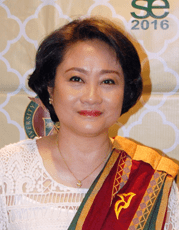
Dr. Aleli D. Kraft is Professor of Economics at the University of the Philippines School of Economics. She is currently a member of the Philippine Health Technology Assessment Council. Her professional experience include positions at the National Economic and Development Authority, the Philippine Institute for Development Studies and consulting work for health and international trade projects funded by the World Bank, USAID, and the ADB. She was the Principal Investigator for the Philippine Tuberculosis Initiatives for the Private Sector Project (PhilTIPS) which collected and analyzed primary data on private physician knowledge, attitude and practice of Tuberculosis Directly Observed Treatment, Short Course (TB-DOTS).
Owen O’Donnell
Swiss team member (Sri Lanka and Phillipines)
Owen O’Donnell is Professor of Applied Economics at Erasmus University Rotterdam and the University of Macedonia (on leave), a Senior Researcher at the University of Lausanne, and a Research Fellow of the Tinbergen Institute, Netspar and the CESR/Schaefer Center for the Study of Health Inequality. He has co-directed two European Union funded projects on equity in the finance and provision of health care in Asia (EQUITAP, HEFPA), is a co-author of Analyzing Health Equity Using Household Survey Data and has been a consultant to the World Bank, WHO and UNICEF. He is an Associate Editor of the Journal of Health Economics and Health Economics, and is co-organiser of the European Workshops on Econometrics and Health Economics. He obtained his doctorate from the University of York and has held visiting positions at the University of Lausanne and the University of Wisconsin-Madison, and a faculty appointment at the University of Kent.
Publications
2024
Kraft, A. D., Capuno, J. J., Calicdan, K. G. R., Cruz, G. T., & O’Donnell, O. (2024). Missed opportunities for hypertension screening of older people in the Philippines: cross-sectional analysis of nationally representative individual-level data. The Lancet Regional Health – Western Pacific, 50, 101188. https://doi.org/10.1016/j.lanwpc.2024.101188
2023
Brindley, C., Van Ourti, T., Capuno, J., Kraft, A. D., Kudymowa, J., & O’Donnell, O. (2023). Risk factor contributions to socioeconomic inequality in cardiovascular risk in the Philippines: a cross-sectional study of nationally representative survey data. BMC Public Health, 23(1). https://doi.org/10.1186/s12889-023-15517-x
2022
Baillon, A., Capuno, J., O’Donnell, O., Tan, C. A., & van Wilgenburg, K. (2022). Persistent effects of temporary incentives: Evidence from a nationwide health insurance experiment. Journal of Health Economics, 81, 102580. https://doi.org/10.1016/j.jhealeco.2021.102580
Baillon, A, Kraft, A, O’Donnell, O, & van Wilgenburg, K (2022). A behavioral decomposition of willingness to pay for health insurance. Journal of Risk and Uncertainty. 64(1), 43–87. https://doi.org/10.1007/s11166-022-09371-2
Baillon, A, Quimbo, S, O’Donnell, O, & Van Wilgenburg, K. (2022). Do time preferences explain low health insurance take-up? Journal of Risk and Insurance, 89(4), 951-983. https://doi.org/10.1111/jori.12395
Capuno, J. J., Kraft, A. D., Calicdan, K. G., & O’Donnell, O. (2022). Associations between health-related quality of life and measures of adiposity among Filipino adults. PLOS ONE, 17(10), e0275798–e0275798. https://doi.org/10.1371/journal.pone.0275798
2021
Capuno, J., Kraft, A., & O’Donnell, O. (2021). Effectiveness of clinic-based cardiovascular disease prevention: A randomized encouragement design experiment in the Philippines. Social Science & Medicine, 283, 114194. https://doi.org/10.1016/j.socscimed.2021.114194
Capuno, J. J., Kraft, A. D., & O’Donnell, O. (2021). Filling Potholes on the Road to Universal Health Coverage in the Philippines. Health Systems & Reform, 7(2), e1911473. https://doi.org/10.1080/23288604.2021.1911473
Non-Peer reviewed
UPecon Foundation. (2019) What is NECVaRE? [Brochure]. https://r4d-ncd.org/wp-content/uploads/2019/11/handouts_abstracts_final-08nov-1.pdf
UPecon Foundation. (2019) Who are the Novo Ecijanos at risk of developing CVDs? 2018 baseline results from the Nueva Ecija Cardiovascular Risk Experiment [Infographic] https://r4d-ncd.org/wp-content/uploads/2019/11/necvare_infographics_rev.pdf
PROJECT FUNDED BY
 Inclusive social protection for chronic health problems